About Us
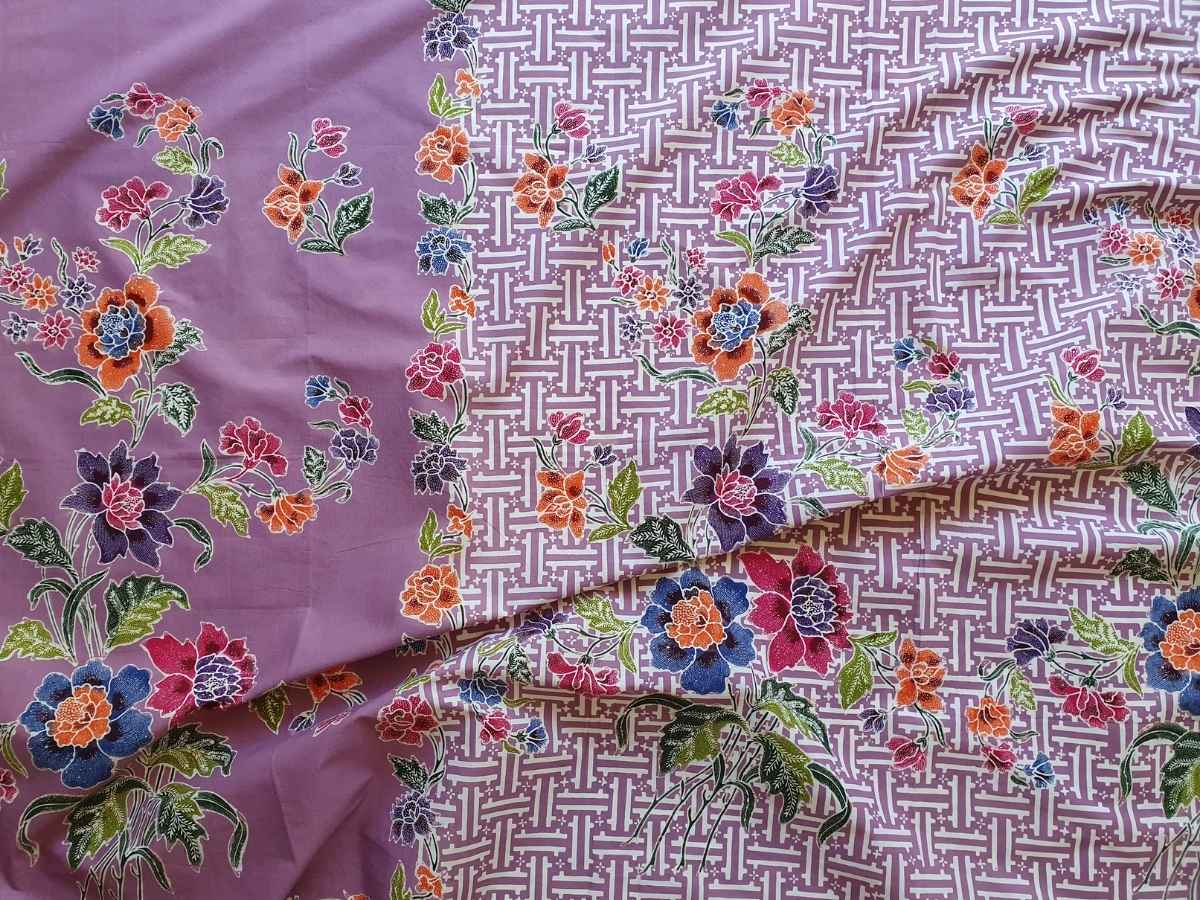
We are a Melbourne based business located in the beautiful coastal suburb of Frankston. We bring the colours of Indonesia to your home in the form of batik fabric. All batiks in our collections are hand dyed, i.e.: hand drawn, stamped and screen printed. We support Indonesia’s small textile artisans. We believe that the uniqueness of batik is created by the rustic feel of something that was made by hand.
Our mission is to keep the Indonesian batik art alive and thriving in modern world. Batik is exquisite and unique wearable art. Wearing batik can be a lot of fun and create interesting conversations!
The Face Behind Niome Art
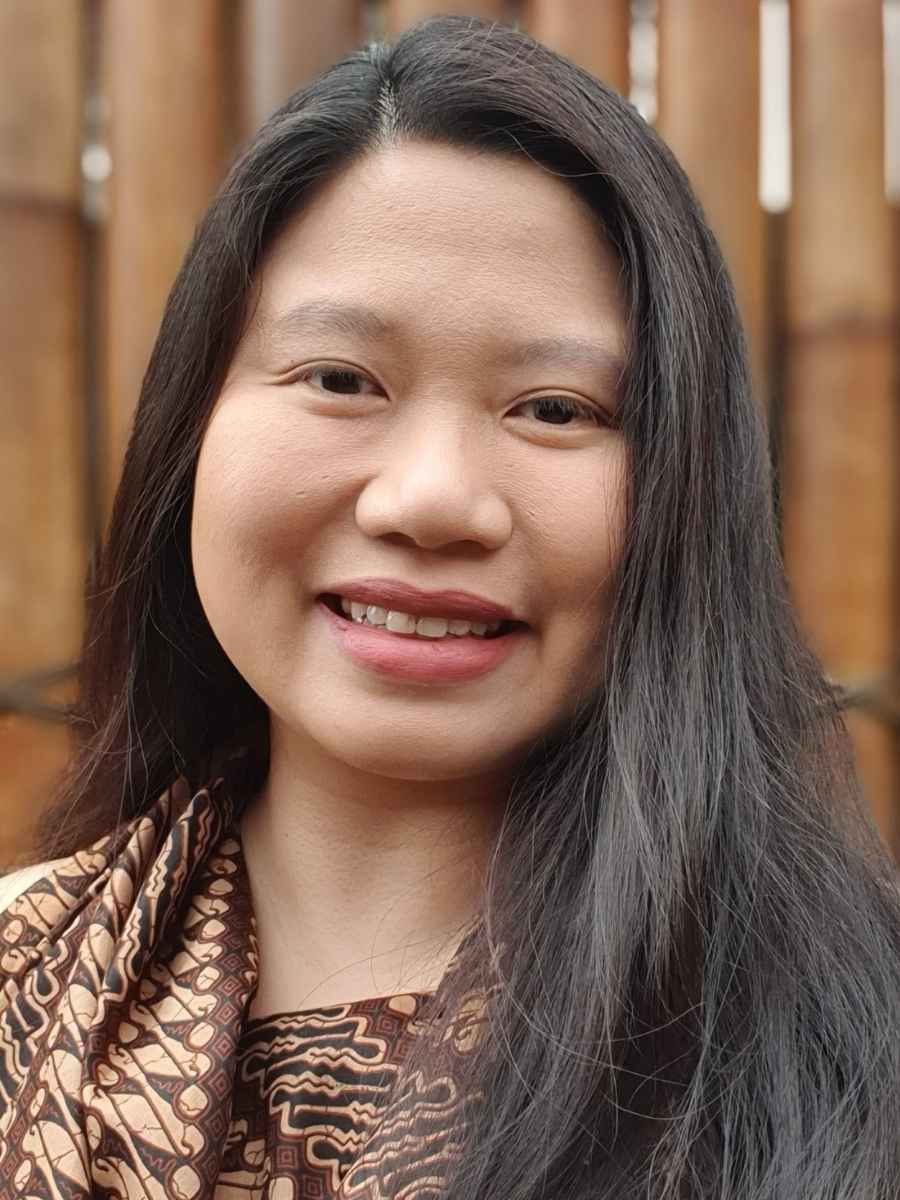
Ika is our founder. She was born in Yogyakarta, Central Java. Mother of one and wife of one. Loves to bake and binge watch various TV shows. She designs and creates some of our jewellery collections. Silver is her favourite material to work with.
She was exposed to the art of batik making when she was in Junior High School. Until later in life, even after leaving her home town to live in Melbourne, she still loves batik. She started to bring batik to Melbourne, first for herself, then her friends and now for the world to enjoy!
A Little About Batik
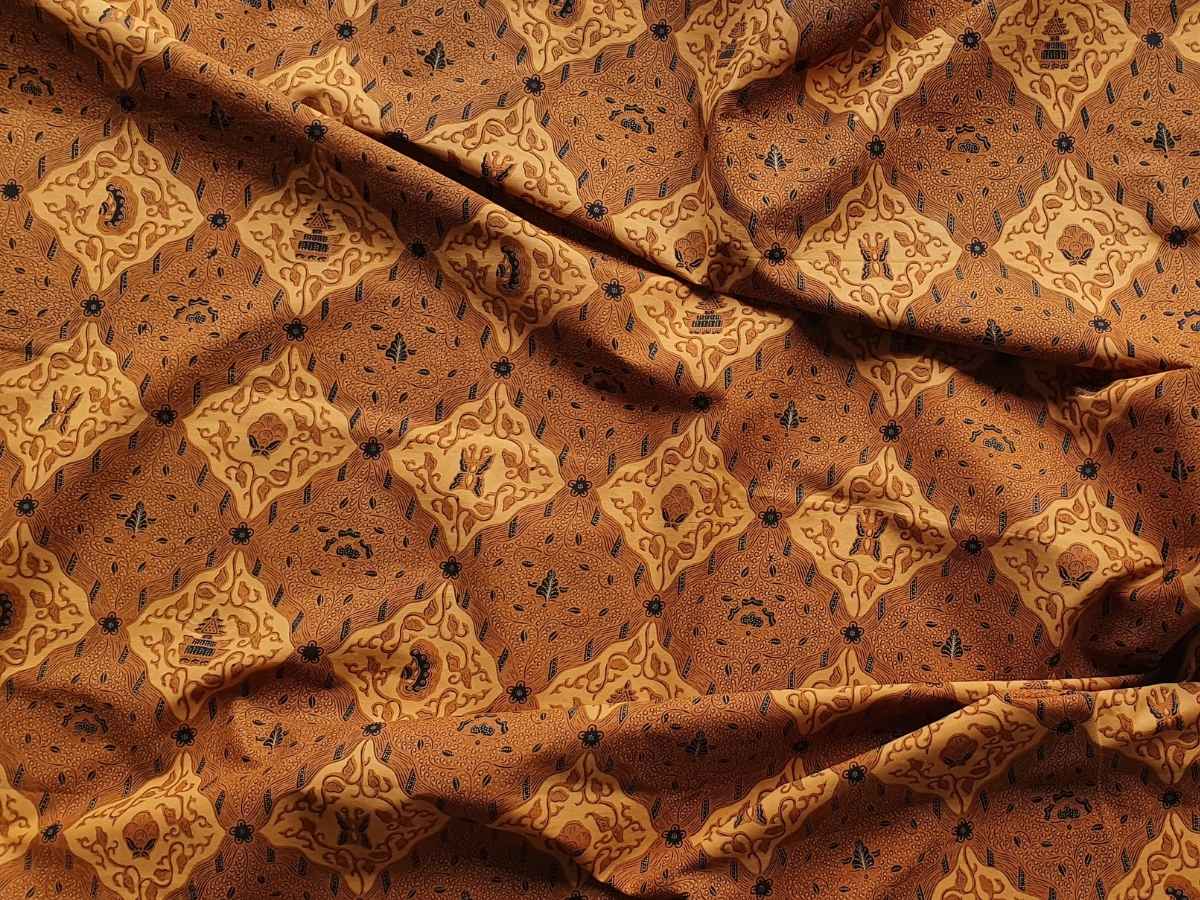
Batik has been a part of Indonesian culture since before the 13th century. The word batik is a combination of two Javanese words ‘amba’ and ‘titik’ or ‘nitik’. Amba means wide. Titik means dot or little dot, while nitik means the action to make a little dot.
In the past, all batik was hand drawn. The artists apply the hot wax on to the fabric using a pen-like device called ‘canting’. When they have finished drawing the pattern with wax, the fabric is submerged in the dye to apply color. This technique of cloth dyeing is called wax resist method. It could take months to finish just one piece. That made the price of batik to be very expensive, so not everyone could afford it. Moreover, there are some patterns that were reserved to be worn only by royalty, such as the parang design. Parang (Javanese for ‘machete’) is a symbol of relentlessness.
As the technology is advancing, so does the technique to make batik – the stamp method was invented. The wax was no longer hand drawn on to the fabric, but applied using a copper stamp. It would take days to finish one piece of batik fabric instead of months. The batik created by this method is called batik cap. ‘Cap’ means stamp in Indonesian.
Next, a faster technique of fabric dyeing was invented; the screen printing method. Using the hand screen printing method, the batik artists could create many batiks in one day. This results in the price of printed batik to be much cheaper than its hand drawn counterpart.
Nowadays, batik fabrics are more widely available and affordable.
Although hand drawn batik is the most expensive batik. It is also the most magnificent and unique fabric. The hand drawn batik, also known as ‘batik tulis’, is truly one of a kind.
Beside Indonesian culture, batik design has also been influenced by the Dutch, Chinese and Japanese culture. This results in the vast varieties of batik designs. Different areas of Indonesia have their own batik style depending on which influence is more dominant.
The traditional designs of batik carry a lot of meaning and symbolism. A particular design is to be worn for a particular ceremony, and sometimes for a particular person. For example, the Sido Asih design is usually worn during weddings. It symbolises the love that will grow between the bride and groom. In contrast, the contemporary batik design is appreciated largely based on its beauty. Furthermore, the use of batik is no longer limited to fashion only, but also as home décor and interior design.
Contact Us
Are you looking for any particular fabric?
Do you have any question, concern or feedback?
Fill out the form or email us at
We would love to hear from you!